Swiss Application Dossier: The Complete Guide

# Swiss Application Dossier: The Complete Guide
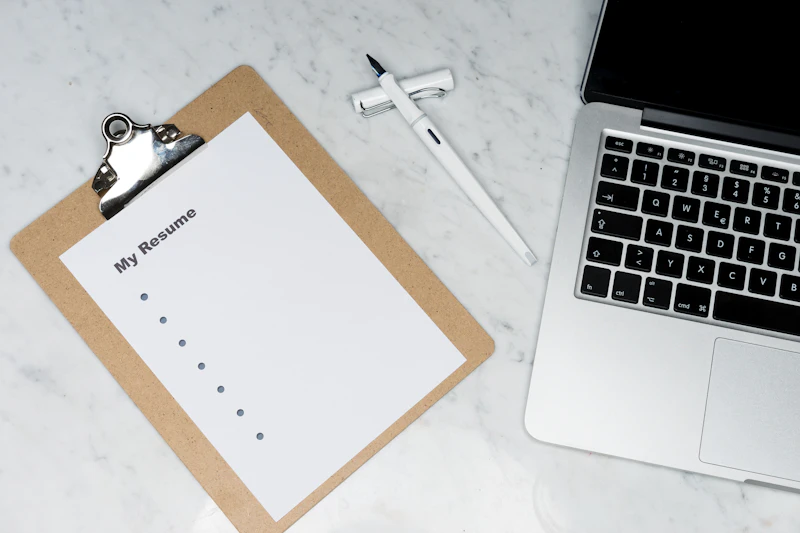
In Switzerland, a job application is far more than a CV and a cover letter. The Swiss Bewerbungsdossier, or application dossier, is a comprehensive collection of documents that presents your professional profile in its entirety. In 2026, this tradition remains firmly embedded in Swiss hiring culture, particularly in German-speaking regions. Understanding how to assemble a complete and polished dossier can make the difference between landing an interview and being overlooked.
What is a Swiss application dossier?
The application dossier is a structured package of documents that Swiss employers expect to receive from candidates. Unlike in many other countries where a CV and cover letter suffice, Swiss companies often want to see supporting evidence of your qualifications, experience, and character. This thoroughness reflects the Swiss values of precision, transparency, and trust.
A complete dossier typically includes the cover letter, your CV, copies of diplomas and certificates, employment certificates from previous employers, and a list of references. The exact requirements can vary by region, industry, and company, but erring on the side of completeness is always advisable.
The cover letter
Your cover letter is the first document in the dossier and sets the tone for everything that follows. It should be tailored to the specific position, demonstrate your knowledge of the company, and clearly explain why you are a strong candidate.
- Length: One page maximum, structured in three to four paragraphs
- Tone: Professional and respectful, matching the formality of the region
- Content: Opening with your motivation, a central paragraph highlighting relevant skills and achievements, and a closing that requests an interview
- Language: Write in the language of the job posting unless otherwise specified
In German-speaking Switzerland, the cover letter tends to be more formal and structured. In French-speaking Switzerland, a slightly more personal tone is acceptable.
The CV
The CV is the centerpiece of your dossier. Swiss CVs follow specific conventions that differ from those in other countries.
- Length: Two pages for experienced professionals, one page for beginners
- Photo: A professional headshot is expected in most cases
- Personal details: Name, address, phone, email, date of birth, nationality, and work permit status
- Structure: Professional experience in reverse chronological order, education, skills, languages with CEFR levels, and certifications
- Achievements: Quantify your accomplishments wherever possible with figures and concrete results
Diplomas and certificates
Swiss employers place great importance on formal qualifications. Include certified copies of your most relevant diplomas and training certificates.
- University degrees: Bachelor's, Master's, or doctoral diplomas
- Professional certifications: Industry-specific qualifications such as CFA, PMP, or AWS certifications
- Continuing education: Certificates from courses, workshops, or seminars that are relevant to the position
- Foreign qualifications: If your degrees are from outside Switzerland, consider having them recognized by SERI (State Secretariat for Education, Research and Innovation) or include an explanation of equivalence
Arrange these documents in reverse chronological order, with the most recent and relevant certificates first.
Employment certificates (Arbeitszeugnisse)
The employment certificate is perhaps the most distinctly Swiss element of the application dossier. Swiss law requires employers to provide a detailed written reference at the end of every employment relationship. These certificates carry enormous weight in the hiring process.
- Full certificate (qualifiziertes Arbeitszeugnis): Describes your role, responsibilities, performance, and conduct. This is the standard and most valuable type.
- Simple certificate (einfaches Arbeitszeugnis): Confirms only the dates of employment and position held, without evaluation. This is less common and may raise questions.
- Coded language: Swiss employment certificates use a specific system of positive wording where the degree of praise indicates your actual performance. Learn to read between the lines.
- Requesting corrections: If you believe your certificate is unfair or inaccurate, Swiss law gives you the right to request corrections.
References
While references are typically checked later in the hiring process, including a reference list in your dossier shows thoroughness and confidence.
- Number: Two to three professional references are standard
- Selection: Choose former supervisors who can speak positively about your work, preferably from recent positions
- Preparation: Always ask permission before listing someone as a reference and brief them on the position you are applying for
- Format: Include each reference's name, title, company, phone number, and email address
Frequently asked questions
Should I send my dossier as one PDF or multiple files?
In 2026, sending a single well-organized PDF is generally preferred. Create a clean document with a table of contents or clear section dividers. Name the file professionally, such as "Application_YourName_Position.pdf." Some online application portals may require separate uploads for each document, so have individual files ready as well.
How do I handle missing employment certificates?
If a former employer no longer exists or you cannot obtain a certificate, explain the situation briefly in your cover letter or on a separate page. You can also ask former colleagues who held management positions to provide a personal reference letter. Swiss recruiters understand that circumstances vary, but they appreciate transparency.
Are dossier expectations the same across all Swiss regions?
No. German-speaking Switzerland tends to expect the most comprehensive dossiers, with full documentation from the outset. French-speaking Switzerland and Ticino are generally more relaxed, and it may be acceptable to provide supporting documents only when requested. When in doubt, include everything.
Practical tips
- Proofread every document meticulously, as spelling or formatting errors undermine your credibility in Swiss professional culture
- Keep your dossier updated at all times so you are ready to apply when opportunities arise
- Use consistent formatting across all documents, including the same font, header style, and layout principles
- Translate foreign documents professionally if applying in a different language from the original
- Store digital copies of all certificates and diplomas in high quality so they remain legible when printed or viewed on screen
Conclusion
The Swiss application dossier is your professional calling card. A complete, well-organized, and polished dossier tells Swiss employers that you are thorough, professional, and respectful of their hiring culture. Invest the time to assemble each component carefully, and you will make a strong impression before you even step into an interview.
See also:
Ready to create your professional CV?
Use our professional templates and tips to land your next job.
Start for free